Special Political and Decolonization Committee

Overview
The Special Political and Decolonization Committee, commonly known as SPECPOL or the Fourth Committee, stands as one of the six primary committees within the United Nations General Assembly. Formed in 1993 by merging the Decolonization Committee (previously the Fourth Committee) and the Special Political Committee, the establishment of SPECPOL held great significance amid the United Nations’ declaration of the “International Decade for the Eradication of Colonialism” from 1990 to 2000. This decision was crucial, considering that, at the UN’s creation in 1945, around 750 million people resided in colonial territories, and over 80 former colonies have gained independence since then.
SPECPOL primarily concentrates on addressing global political issues and the ongoing decolonization process. Its agenda covers various topics, including atomic radiation effects, information-related questions, a thorough review of peacekeeping operations, and special political and international cooperation in the peaceful use of outer space.
Initially designed to oversee trusteeships and decolonization matters, the Fourth Committee’s role evolved as UN trust territories achieved independence. Consequently, the committee’s mandate proved insufficient for the changing global landscape. In response, it merged with the Special Political Committee, formerly the Seventh Committee, resulting in the formation of SPECPOL and a reduction in the number of General Assembly committees. The Committee holds annual sessions from September to November, welcoming participation from all 193 UN member states, petitioners, civil society representatives, and other stakeholders. During its sessions, SPECPOL typically adopts nearly 30-35 draft resolutions.
Having chosen an issue that provokes considerable international debate and concern, the Special Political and Decolonization Committee aims to help prospective delegates become more vested in armed and political conflicts, the stakes of claiming territory and the people, the culture and the African continent, as a whole.
It was not until 1975 that Spain relinquished control of the Spanish Sahara, or, in other words, Western Sahara, later named “Sahrawi Arab Democratic Republic” . Having been left vulnerable, the territory was later claimed by both Morocco and Mauritania and split to their liking. The national independence force, the Polisario Front, consisting of Sahrawi indigenous people, managed to win terrain over its neighbors and forced Mauritania to withdraw from within its borders, whilst Rabat persists in holding control of approximately 80% of Western Sahara, claiming it rightfully belongs to the Kingdom of Morocco.
Alliances have been disturbed, agreements have been made and people have had and to are still suffering due to regional instability. Countries such as Algeria, France or the US, have helped the conflict persist by aiding opposing sides and cutting diplomatic relations with the others.
Dismissal of negotiations and imminent attacks hinder progress towards regional peace, therefore, strides so as to restore formal discussions are crucial.
We hope to meet people who aim for agreement and mutual understanding and who are willing to immerse themselves into the unfortunately cruel world that is being pictured, so as to thoroughly understand the roots of the issue, as well as the history behind it. It is only through a utopia that we can have hope for a slightly better future!
Topics
Legal concerns arising from United Nations peacekeeping operations
Assigned Journalist
 T.B.A.
Chairpersons
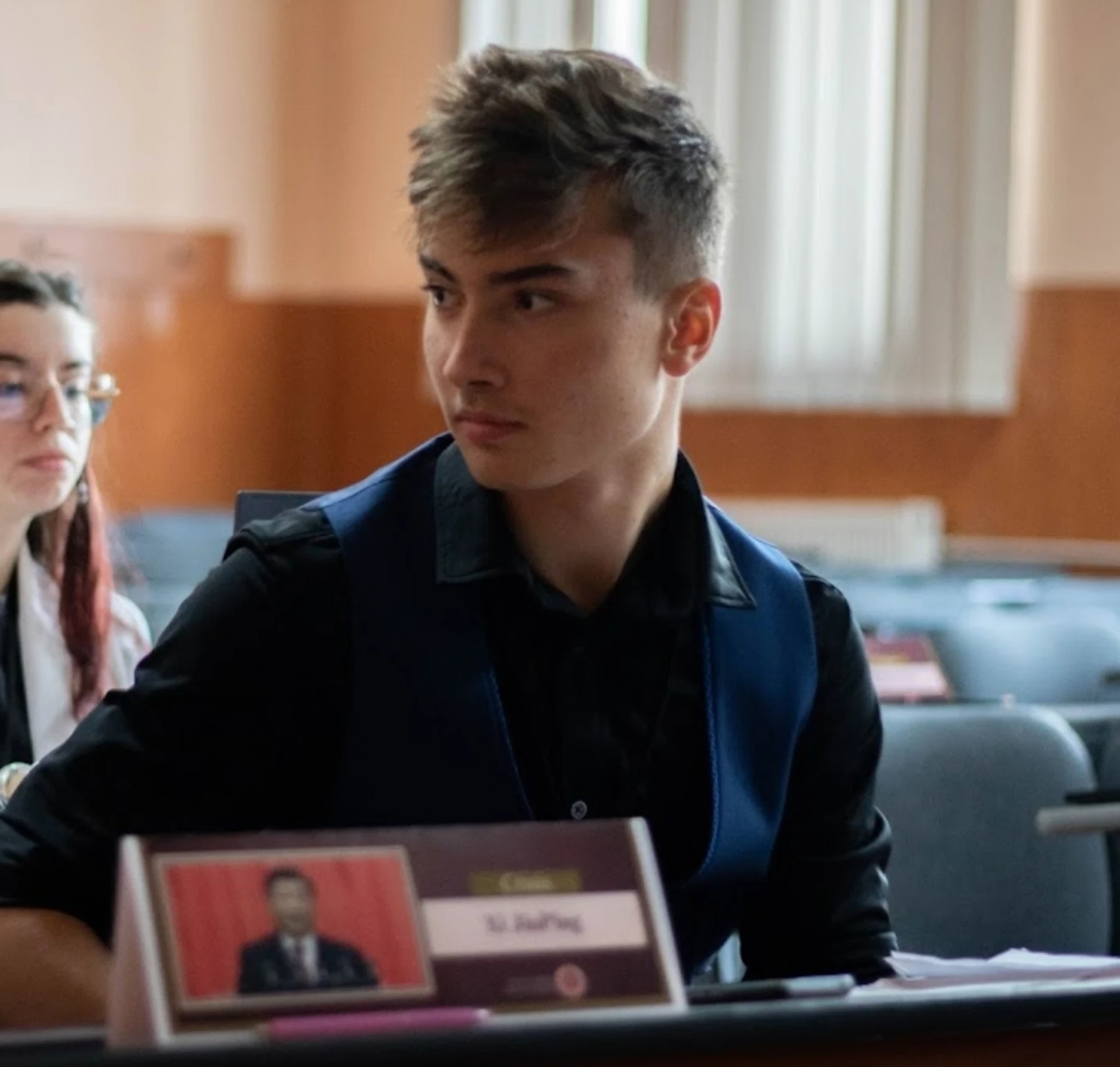
Ovidiu-Constantin Olaru
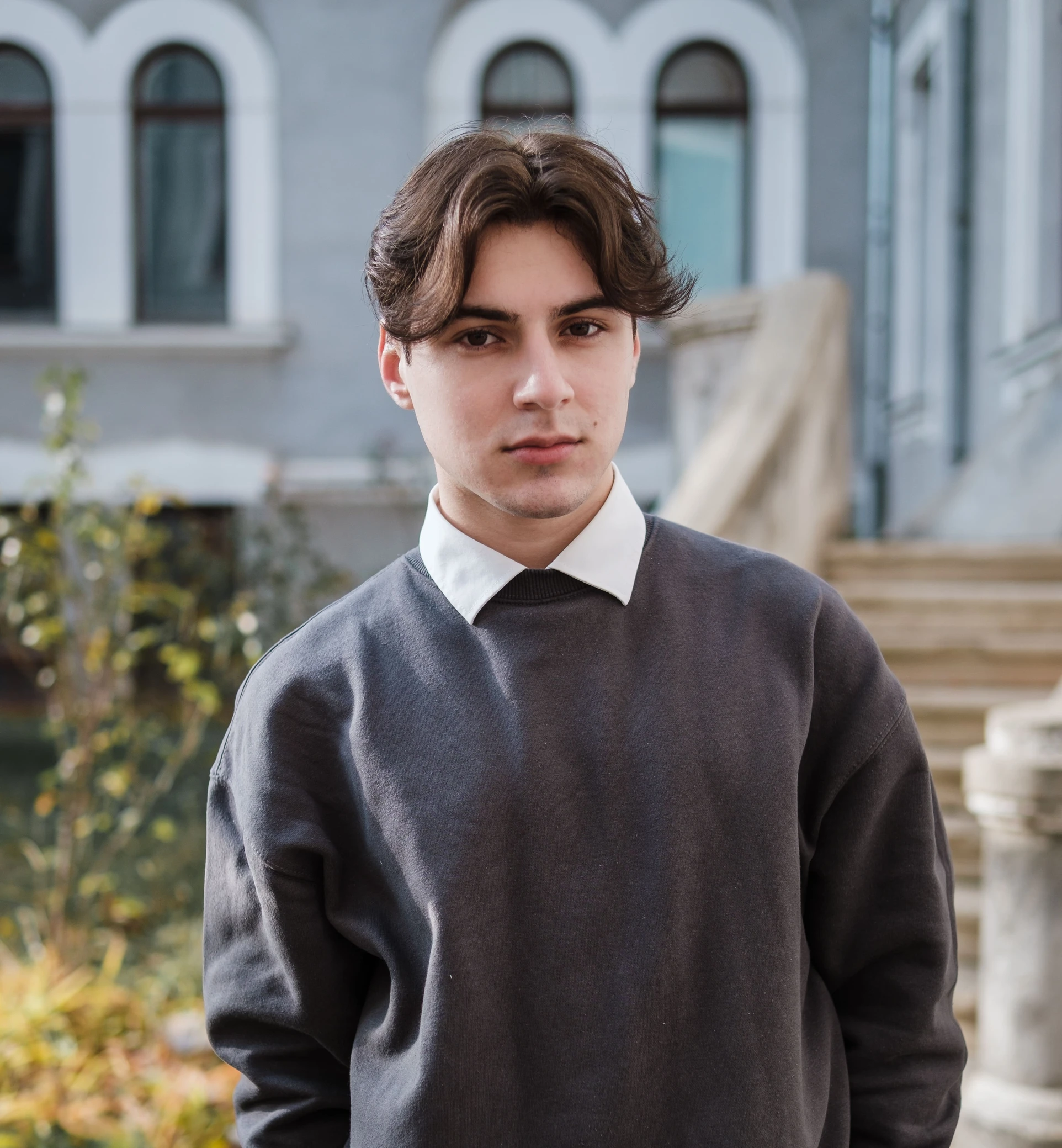
Greetings, prospective delegates! My name is Olaru Ovidiu-Constantin (but y’all can call me Costi). I am a sophomore at “Emil Racovita” Theoretical High School and I am extremely honoured to chair the SPECPOL committee alongside my co-chair, Sorin. MUNs have been one of the biggest aspects of my life, helping me grow as a person and allowing me to meet amazing people along the way and my one and only goal as a chairperson is to offer you the same amazing experiences and opportunities that these conferences have given me. More about myself, I am a passionate and ambitious individual, always willing to experience new things. My passions range from biology and history to martial arts and fantasy books and, of course, debate. Looking forward to seeing you all in May!Sorin Bulibașa
Greetings, everyone! My name is Sorin, and I am incredibly grateful for the opportunity to chair the Fourth Committee of the General Assembly, SPECPOL, at this year’s edition of GalMUN, alongside my wonderful co-chair, Costi! Although I discovered MUNs later than most, I never would have guessed what a profound impact these conferences would have on me, both personally and professionally. This community not only shaped my debating skills, but also helped me grow as a person, giving me the chance to meet inspiring people who deeply influenced my way of thinking. I will do everything within my boundaries to ensure that this committee is a meaningful and rewarding experience for all delegates. If you have any issues, do not hesitate to contact me, as I am always here to help! See you in May!