Security Council

Overview
The United Nations Security Council, hereinafter UNSC, is one of the six principal organs of the United Nations and is charged with ensuring international peace and security, recommending the admission of new United Nations members to the General Assembly, and approving any changes to the UN Charter. Its powers, as outlined in the United Nations Charter, include establishing peacekeeping operations, enacting international sanctions, and authorizing military action. Formed following the end of World War II with a view to tackling the shortcomings of the League of Nations, the Security Council held its first session in January of 1946. The Security Council is composed of 15 Member States, each with one vote. Under the Charter of the United Nations, all UN Member States are compelled to abide by its decisions. In cases where peaceful resolution is not attained, the UNSC has the authority to impose sanctions or even authorize the use of force to maintain or restore international peace and security. Through its decisions and actions, the Security Council stands out as a bastion for stability and maintenance of global relations.
Rampant violence, inflation, gang warfare, soaring crime rates and shortages of food, medicine and essential services are solely a few of the myriad of issues currently plaguing Venezuela. With nearly 8 million Venezuelans displaced globally and more than 6.5 million residing in Latin America and the Caribbean, this is the largest forced displacement crisis ever in Latin America. Armed groups operating across the porous Colombia- Venezuela border have further worsened security conditions for migrants. The exodus has caused a regional humanitarian crisis as neighboring governments have struggled to absorb refugees and asylum seekers and have failed to provide proper access to services. Yet, Venezuela’s situation was not always this dire. Formerly one of the wealthiest countries in South America, a sharp decline in oil prices in the early 2010s plunged oil-dependent Venezuela into a downward spiral, engulfing the country in a deep political and economic crisis that persists today. But how did Venezuela, a once-thriving nation, descend into such an abyss? To truly grasp the underlying reason behind Venezuela’s struggles and the way forward, you ought not to miss the chance to sign up for the Security Council at this year’s edition of GalMUN!
Topics
Discussing the Venezuelan Crisis
Assigned Journalist
 T.B.A.
Chairpersons
Anee Popoiu
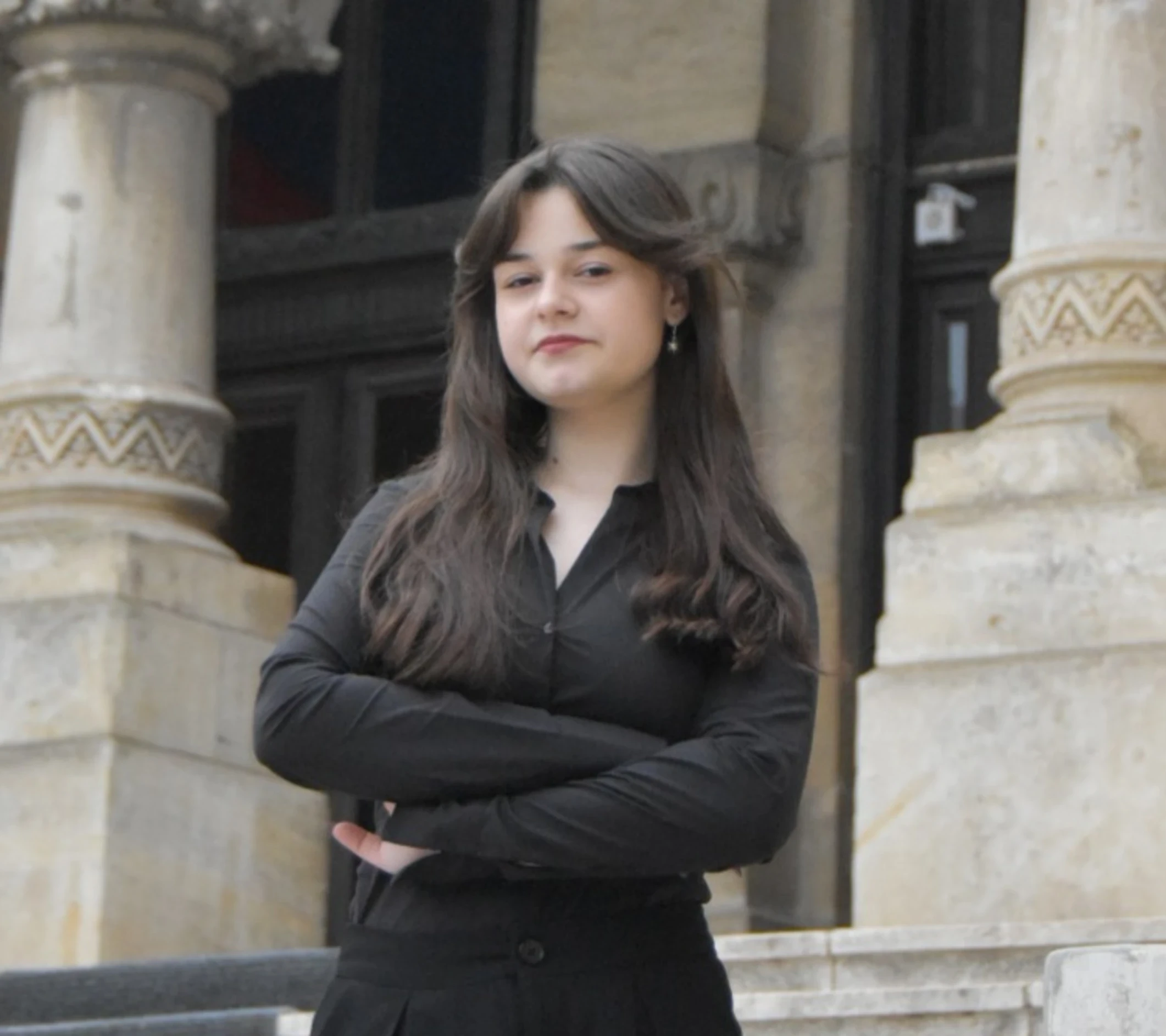
Greetings, prospective delegates! My name is Anee and I am currently a junior at “Vasile Alecsandri” National College in Galați. I am beyond thrilled to have the opportunity to chair the Security Council alongside the outstanding Bogdan. Among my intellectual pursuits, I take particular interest in historical and classical literature. Aside from this, I enjoy traveling and immersing myself in music. GalMUN numbers among the first conferences I have ever attended, rendering it a “turning point” in my journey. Thus, I will do my utmost in order to ensure the seamless unfolding of this committee and an enriching and memorable experience for all involved. I look forward to the debates ahead and hope you will all have a memorable experience! 🌺Bogdan Dobre
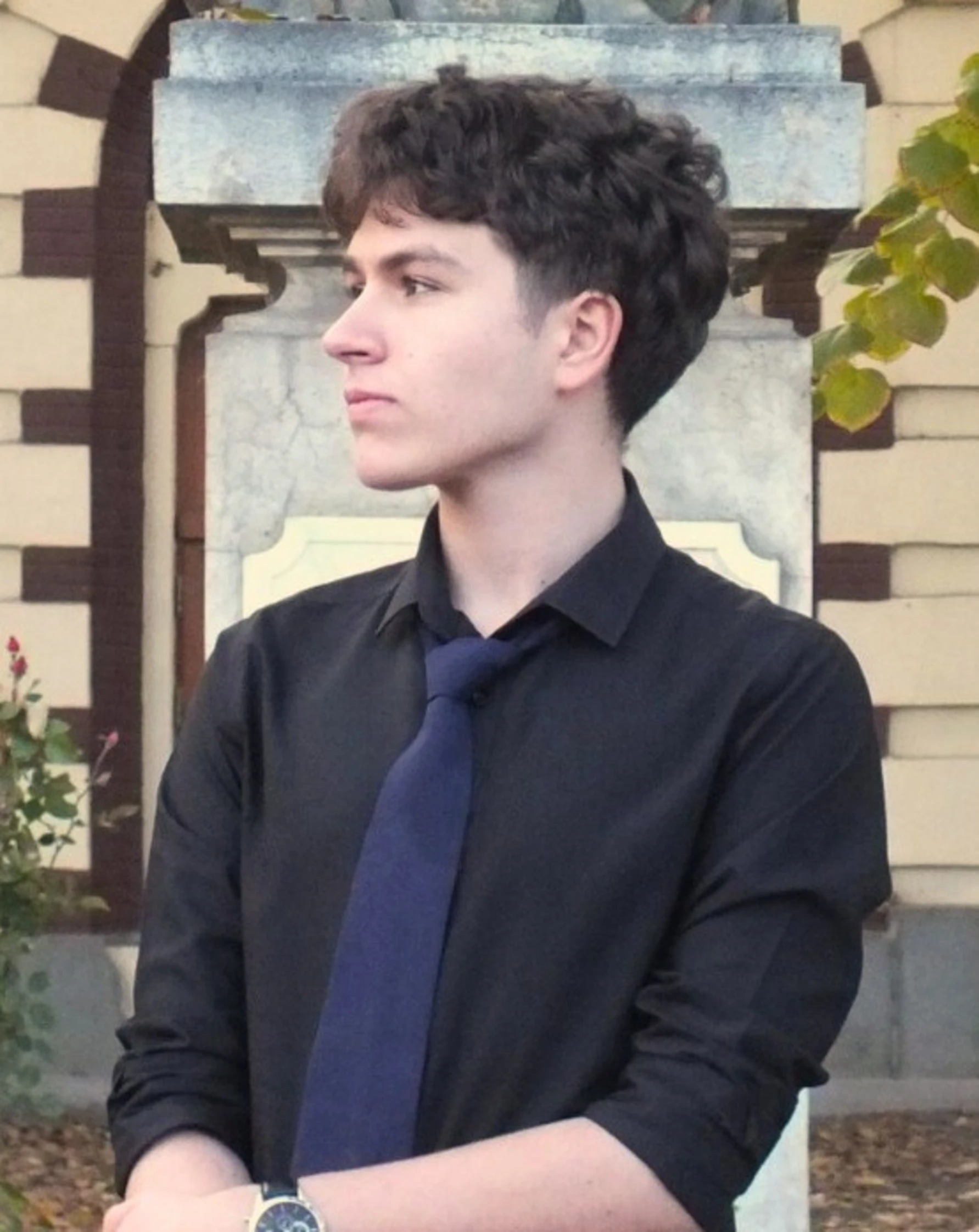
Prospective delegates of GalMUN2025, My name is Bogdan, and I am a junior at “Vasile Alecsandri” National College in Galați and the chairperson of the United Nations Security Council, hereinafter referred to as the UNSC, alongside one of my great friends, Anee. I am more than honoured to stand before the future diplomats of my country and city and collaborate with the Academic team in order to provide one of the most esteemed debating experiences in Galați. Having developed a profound fondness for international law, political sciences and geopolitics, I have shown great interest in participating in MUN conferences ever since 2023, determining me to acquire new knowledge and skills, all while introducing me to a friendly and open-minded community. I strongly hope that GalMUN2025’s UNSC Committee will instill a sense of unity and endeavour in its participants, motivating them to strive for academic performance in a diplomatic environment where fruitful debate is promoted.